
Hiring decisions in production settings directly affect output, safety, and long-term workforce stability. Identifying the right abilities before bringing someone on board reduces costly turnover and keeps operations running at a steady pace.
Employers who focus on proven capabilities tend to build stronger teams that perform consistently across shifts.
Hiring decisions in production environments depend heavily on the right manufacturing skills from the start. Businesses often turn to a trusted manufacturing staffing agency in Indiana when they need reliable access to workers who can step into skilled jobs without slowing operations.
Strong hiring choices influence output, safety, and consistency across every shift. Employers who prioritize capability over speed tend to build teams that perform with fewer disruptions and more predictable results.
Equipment Operation and Machine Familiarity
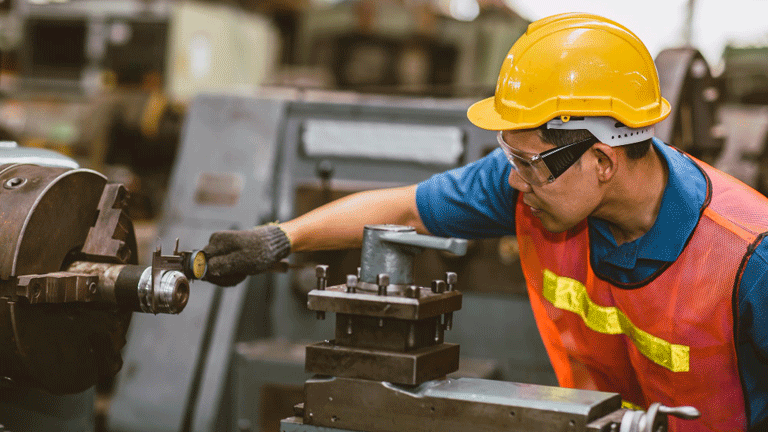
Workers who can operate machinery with confidence bring immediate value to production lines. Familiarity with equipment reduces training time and helps maintain steady output without interruptions.
Employers should look for candidates with hands-on experience operating the machines used in their facility. This includes working with controls, noticing unusual sounds, and reacting quickly to small issues before they grow.
Manufacturers that depend on steady output benefit from workers who can step into equipment-based work without hesitation. That kind of readiness helps keep production moving across every shift.
Blueprint and Technical Reading
Production tasks often depend on accurate interpretation of technical documents. Workers must be able to read blueprints, diagrams, or instructions that guide assembly and fabrication processes.
Errors in interpretation can lead to wasted materials and production delays. Candidates who demonstrate accuracy in reading technical information help maintain quality standards and reduce costly mistakes.
Hiring managers should verify this skill during the screening process to confirm that candidates can follow detailed instructions without confusion.
Quality Control Awareness
Consistency in finished products requires attention to detail at every stage of production. Workers must recognize when something falls outside acceptable standards and take action to correct it.
Quality-focused employees help prevent defective products from moving further down the line. This reduces rework, protects the company reputation, and maintains customer satisfaction.
A strong focus on quality also supports smoother inspections and fewer production setbacks, which keeps operations moving without disruption.
Physical Stamina and Endurance
Manufacturing environments often demand repetitive movement, lifting, and extended periods of standing. Workers who lack physical readiness may struggle to maintain performance over time.
Candidates should be capable of handling the physical requirements tied to the job. This includes lifting materials, moving between workstations, and maintaining steady output throughout a shift.
Employers who prioritize physical readiness tend to see fewer slowdowns and reduced absenteeism tied to fatigue or strain.
Problem-Solving on the Production Floor
Unexpected issues can arise during any shift. Workers who can identify problems and respond quickly help prevent small disruptions from becoming larger setbacks.
This skill involves recognizing inefficiencies, adjusting processes within guidelines, and communicating concerns to supervisors when necessary. Quick thinking helps maintain workflow and reduces downtime.
Hiring individuals with strong problem-solving ability supports smoother operations and limits the need for constant oversight.
Time Management and Workflow Awareness
Meeting production targets depends on workers who can manage their time effectively. Employees must balance speed with accuracy while staying aligned with overall workflow requirements.
Candidates who maintain a steady pace without sacrificing quality contribute to consistent output. This balance is imperative in environments where delays can affect multiple stages of production.
Employers benefit from hiring workers who can stay focused on tasks while keeping production timelines in mind.
Communication on the Floor
Clear communication supports coordination between team members, supervisors, and different departments. Workers must be able to report issues, follow instructions, and collaborate during shifts.
Miscommunication can lead to errors, missed steps, or safety concerns. Candidates who communicate clearly help maintain order and reduce confusion across the production floor.
Strong communication also supports faster issue resolution, which keeps operations moving without unnecessary interruptions.
Safety Awareness in Manufacturing Settings
Production settings require strict adherence to safety standards. Workers must recognize hazards, follow protocols, and use equipment correctly to avoid incidents.
A focus on safety protects both employees and operations. Fewer incidents mean less downtime and fewer disruptions to production schedules.
Employers should prioritize candidates who demonstrate awareness of workplace safety expectations and take responsibility for maintaining a secure work area.
Adaptability to Changing Production Needs
Manufacturing demands can shift based on order volume, product changes, or operational adjustments. Workers who adapt quickly help maintain stability during these transitions.
Flexible workers can shift between tasks, adapt to new processes, and handle changing workloads without slowing production. This adaptability supports efficiency across different scenarios.
Companies that experience fluctuating demand benefit from hiring individuals who can adjust without hesitation.
Reliability and Attendance Consistency
Reliable attendance matters in manufacturing settings where every position contributes to overall production flow. Absences or delays can disrupt output and create added pressure on other team members.
Candidates with strong attendance records contribute to consistent output and reduce the need for last-minute replacements. Reliability supports smoother scheduling and less strain on existing staff.
Employers should verify attendance history during screening to confirm that candidates meet expectations for dependability.
Building a Strong Workforce Through Strategic Hiring
Identifying the right mix of abilities takes time and careful evaluation. Employers who rush hiring decisions often face repeated turnover and inconsistent performance.
Working with your trusted manufacturing staffing agency in Indiana allows businesses to connect with candidates who meet both technical and practical requirements. This approach reduces hiring uncertainty and supports stronger long-term results.
Companies that want dependable labor can rely on manufacturing jobs pipelines to connect with workers who already have relevant experience. Access to qualified candidates helps reduce onboarding time and maintain production consistency.
Businesses operating across different locations may benefit from localized staffing support. Access to temp staffing in East Indy and temp staffing in West Indy allows employers to fill roles quickly while maintaining workforce stability across multiple facilities.
Employers exploring broader workforce options often consider manufacturing staffing solutions offered through established manufacturing staffing firms. These partnerships help maintain consistent labor without repeated hiring cycles.
A Practical Approach to Strengthening Your Hiring Process
We connect employers with workers who bring proven manufacturing skills to the production floor. Our team focuses on matching candidates to real job demands, helping businesses reduce turnover and maintain steady output across shifts.
Each placement is made with attention to reliability, performance, and long-term fit.
We work closely with companies to identify workforce gaps and deliver staffing support that reflects actual operational needs. Our approach helps reduce hiring delays and keeps production moving without unnecessary interruptions.
By focusing on candidate readiness, we help employers build teams that perform consistently.
If you have questions about how Temp Staffing of Indiana can support your hiring efforts, contact us today. We are ready to help you find dependable workers who fit your operation.
FAQs
What are the most important manufacturing skills to look for?
Some abilities include equipment operation, quality control awareness, reliability, and the ability to follow technical instructions accurately.
How can staffing agencies help with hiring skilled manufacturing workers?
They connect employers with pre-screened candidates who already meet job requirements, reducing hiring time and improving workforce consistency.
Why is reliability important in manufacturing roles?
Consistent attendance keeps production lines running smoothly and prevents disruptions that can affect overall output.